

Understanding Valve Parts: The Importance of Rings in Industrial Valve Components
Release time:
2024-06-24 17:19
Introduction
Valves are essential components in industrial equipment, controlling the flow of liquids, gases, and other substances. Within the realm of valve parts, rings play a crucial role in ensuring the proper functioning of valves. From sealing to actuation, rings are integral components that contribute to the efficiency and reliability of industrial valves.
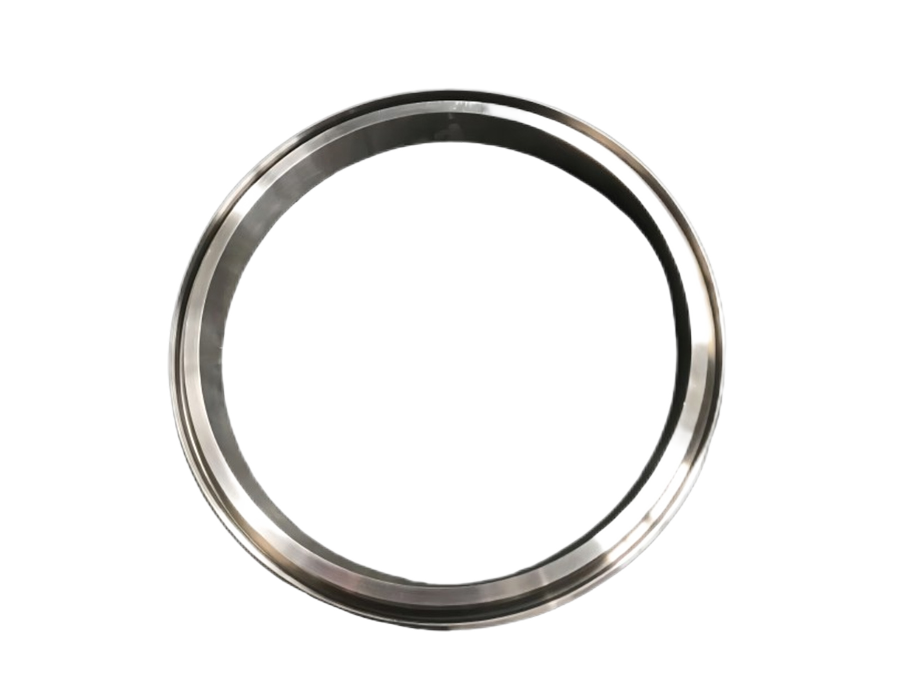
One of the key functions of rings in valve parts is sealing. O-rings, for example, are commonly used in valve components to create a tight seal, preventing leaks and ensuring the integrity of the system. By effectively sealing the valve, rings help maintain the desired flow rate and pressure, enhancing the overall performance of the equipment.
In addition to sealing, rings also play a role in actuation. Piston rings, for instance, are used in pneumatic and hydraulic valves to facilitate the movement of the actuator. By providing a smooth and efficient surface for the actuator to slide on, piston rings enable precise control of the valve, allowing for accurate regulation of flow and pressure.
Furthermore, rings in valve parts can also contribute to the longevity and durability of the equipment. Wear rings, for example, help reduce friction and wear between moving components, extending the lifespan of the valve and minimizing maintenance requirements. By choosing high-quality rings made from durable materials, industrial operators can ensure the reliability and performance of their valves over time.
In conclusion, rings are essential components in valve parts for industrial equipment, playing a significant role in sealing, actuation, and durability. Understanding the importance of rings in valves can help industrial operators make informed decisions when selecting and maintaining their equipment, ultimately leading to enhanced efficiency and reliability in various industrial applications.
valve parts-ring
Related News

The Art and Precision of Forging: Unlocking the Benefits of Precision Forging
2025-06-20
Precision forging is a sophisticated manufacturing process that significantly enhances the mechanical properties and dimensional accuracy of metal components. This technique involves shaping metal into desired forms through the application of high pressure, often at elevated temperatures. Unlike traditional forging methods, precision forging utilizes advanced technology and precise control mechani
Understanding Precision Forging: Key Insights for Professionals in Metalworking
2025-06-18
Precision forging is a sophisticated manufacturing process that involves shaping metal components through the application of controlled pressure and heat. This technique is distinguished by its ability to create parts with exceptional accuracy, consistency, and strength, making it a preferred choice in industries where precision is paramount. One of the primary advantages of precision forging is i
How Monel K500 Forging Enhances Corrosion Resistance in Metal Parts
2025-06-17
Introduction to Monel K500: The Corrosion-Resistant Metal Monel K500 is a nickel-copper alloy renowned for its exceptional corrosion resistance, strength, and versatility. It stands out in various industries, including marine, chemical processing, and aerospace, where metal components must endure harsh environments. This article delves into how the forging process of Monel K500 enhances its corr
Nickel-based alloy material production experts
© 2024 Shanghai Fengqu Super Alloy Co., Ltd. All Rights Reserved