

Revolutionizing the Industry: The Power of Alloy 718 Forgings in Manufacturing and Processing
Release time:
2025-03-20 15:42
Revolutionizing the Industry: The Power of Alloy 718 Forgings
Table of Contents
1. Understanding Alloy 718: Composition and Properties
2. The Unique Characteristics of Alloy 718 Forgings
3. Applications of Alloy 718 in Manufacturing Processes
4. Benefits of Using Alloy 718 Forgings in Various Industries
5. Comparison with Other Alloys: Why Choose Alloy 718?
6. The Forging Process: From Design to Production
7. Future Trends: The Evolution of Alloy 718 Forgings
8. Frequently Asked Questions About Alloy 718 Forgings
1. Understanding Alloy 718: Composition and Properties
Alloy 718 is a nickel-chromium-molybdenum superalloy known for its exceptional strength and corrosion resistance at high temperatures. Its unique composition includes approximately 50% nickel, 19% chromium, and 3% molybdenum, along with smaller amounts of titanium, aluminum, and iron. This specific blend not only enhances its mechanical properties but also makes it highly suitable for demanding applications in various industries.
The **high-temperature strength** of Alloy 718 is particularly noteworthy, maintaining its integrity even under extreme conditions. This feature is attributed to its ability to undergo precipitation hardening, which significantly improves its mechanical strength. As a result, Alloy 718 is a preferred choice in sectors that require materials to withstand harsh environments.
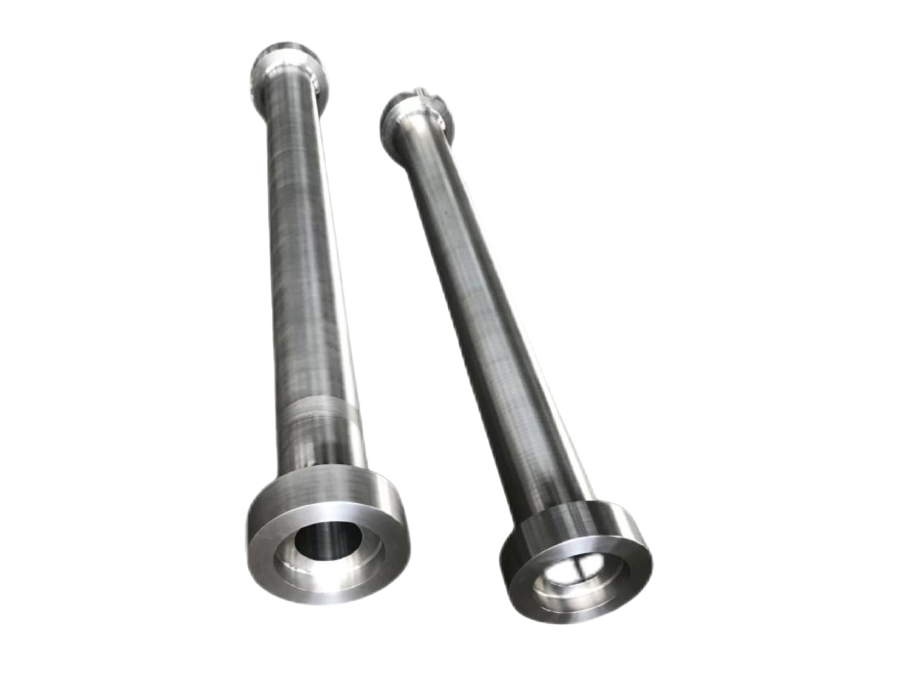
2. The Unique Characteristics of Alloy 718 Forgings
When it comes to forgings, Alloy 718 exhibits distinct characteristics that set it apart from other materials.
2.1 Exceptional Fatigue Resistance
Forged components made from Alloy 718 demonstrate outstanding fatigue resistance, making them ideal for applications subjected to cyclic loading. This resistance is crucial for components in the aerospace and automotive sectors, where reliability is paramount.
2.2 High Resistance to Corrosion
Alloy 718’s superior resistance to oxidation and corrosion is essential for components exposed to harsh chemicals or extreme environments. This property ensures the longevity of parts in industries such as oil and gas, where equipment often faces corrosive elements.
2.3 Impressive Weldability
Another significant advantage of Alloy 718 is its **excellent weldability**. Unlike many high-strength alloys, it can be welded using standard techniques without losing its mechanical properties, which simplifies the manufacturing process.
3. Applications of Alloy 718 in Manufacturing Processes
Alloy 718 forgings find applications across several industries, showcasing their versatility and effectiveness.
3.1 Aerospace Industry
In aerospace manufacturing, Alloy 718 is utilized for critical components such as turbine blades, shafts, and casings. Its high strength-to-weight ratio and thermal stability make it an ideal choice for parts that operate under extreme temperatures and pressures.
3.2 Oil and Gas Sector
The oil and gas industry benefits from Alloy 718’s superior corrosion resistance, using it in valves, pumps, and drilling equipment. The ability to withstand harsh environments enhances the safety and reliability of these crucial components.
3.3 Medical Equipment
In the medical field, Alloy 718 is employed in surgical instruments and implants. Its biocompatibility and resistance to sterilization processes ensure the durability and safety of medical devices.
4. Benefits of Using Alloy 718 Forgings in Various Industries
Utilizing Alloy 718 forgings offers numerous advantages that enhance operational efficiency and product quality.
4.1 Enhanced Performance and Durability
Alloy 718’s exceptional mechanical properties translate to high performance in various applications. Components manufactured from this material exhibit increased durability, reducing the need for frequent replacements.
4.2 Cost-Effectiveness
While the initial cost of Alloy 718 may be higher than other materials, its longevity and reduced maintenance requirements lead to overall cost savings in the long run. Companies can benefit from lower downtime and fewer replacements.
4.3 Improved Manufacturing Efficiency
The forging process for Alloy 718 is highly efficient, allowing for the production of complex geometries with minimal waste. This efficiency not only streamlines manufacturing but also contributes to sustainability goals.
5. Comparison with Other Alloys: Why Choose Alloy 718?
When considering materials for high-performance applications, it is essential to compare Alloy 718 with other alloys such as 316 stainless steel and Inconel 625.
5.1 Strength and Performance
While 316 stainless steel offers good corrosion resistance, it lacks the high-temperature strength provided by Alloy 718. Inconel 625, while also a superalloy, does not have the same level of weldability and workability, making Alloy 718 the superior choice in many cases.
5.2 Cost Considerations
Although Alloy 718 may be more expensive upfront, its long-term performance and durability make it a more economical choice in applications where failure is not an option.
6. The Forging Process: From Design to Production
The manufacturing of Alloy 718 forgings involves several critical steps that ensure the final product meets the highest standards of quality.
6.1 Design and Engineering
The process begins with a detailed design, where engineers create specifications tailored to the intended application. Computer-aided design (CAD) software is often utilized to optimize the geometry for performance.
6.2 Heating and Forging
The forging process involves heating the Alloy 718 to a specific temperature, followed by shaping it through mechanical force. This process enhances the material's grain structure, resulting in improved strength and durability.
6.3 Heat Treatment
Post-forging, Alloy 718 undergoes heat treatment to achieve the desired mechanical properties. This step is crucial for optimizing the alloy's strength and resistance to fatigue.
6.4 Final Inspection and Quality Control
Finally, rigorous testing and inspection processes ensure that the finished product meets all specifications and industry standards. This attention to detail guarantees the reliability and performance of the forgings.
7. Future Trends: The Evolution of Alloy 718 Forgings
As technology advances, the use of Alloy 718 forgings is expected to expand in various sectors. Research into enhancing the properties of Alloy 718 through advanced manufacturing techniques may lead to even greater applications and efficiencies.
7.1 Additive Manufacturing
The integration of additive manufacturing techniques with Alloy 718 could revolutionize production processes, allowing for even more complex geometries and reduced material waste.
7.2 Sustainability Initiatives
With growing emphasis on sustainability, the recycling of Alloy 718 and its components will become increasingly important, promoting a circular economy in manufacturing.
8. Frequently Asked Questions About Alloy 718 Forgings
8.1 What are the main advantages of Alloy 718?
Alloy 718 offers high strength, excellent corrosion resistance, and good weldability, making it suitable for demanding applications.
8.2 In which industries is Alloy 718 commonly used?
Alloy 718 is widely used in aerospace, oil and gas, and medical equipment industries due to its unique properties.
8.3 How does Alloy 718 compare to other superalloys?
Alloy 718 has superior weldability and fatigue resistance compared to many other superalloys, making it a preferred choice in many applications.
8.4 What is the forging process for Alloy 718?
The forging process involves heating Alloy 718 to a specific temperature, shaping it through mechanical force, and subjecting it to heat treatment for optimal properties.
8.5 What are the future trends for Alloy 718 forgings?
Future trends include advancements in additive manufacturing and sustainability initiatives focused on recycling and reducing waste.
Conclusion
Alloy 718 forgings represent a significant advancement in the manufacturing and processing industries, offering unparalleled strength, durability, and versatility. As we continue to explore innovative applications and manufacturing techniques, the role of Alloy 718 is poised to expand, driving advancements across various sectors. By understanding the unique properties and benefits of this remarkable alloy, industries can harness its potential to enhance performance, reduce costs, and foster sustainability. The future of Alloy 718 is bright, and its impact on manufacturing will undoubtedly continue to revolutionize the way we approach engineering and production challenges.
alloy 718 forgings
Related News

The Art and Precision of Forging: Unlocking the Benefits of Precision Forging
2025-06-20
Precision forging is a sophisticated manufacturing process that significantly enhances the mechanical properties and dimensional accuracy of metal components. This technique involves shaping metal into desired forms through the application of high pressure, often at elevated temperatures. Unlike traditional forging methods, precision forging utilizes advanced technology and precise control mechani
Understanding Precision Forging: Key Insights for Professionals in Metalworking
2025-06-18
Precision forging is a sophisticated manufacturing process that involves shaping metal components through the application of controlled pressure and heat. This technique is distinguished by its ability to create parts with exceptional accuracy, consistency, and strength, making it a preferred choice in industries where precision is paramount. One of the primary advantages of precision forging is i
How Monel K500 Forging Enhances Corrosion Resistance in Metal Parts
2025-06-17
Introduction to Monel K500: The Corrosion-Resistant Metal Monel K500 is a nickel-copper alloy renowned for its exceptional corrosion resistance, strength, and versatility. It stands out in various industries, including marine, chemical processing, and aerospace, where metal components must endure harsh environments. This article delves into how the forging process of Monel K500 enhances its corr
Nickel-based alloy material production experts
© 2024 Shanghai Fengqu Super Alloy Co., Ltd. All Rights Reserved