

Breaking Boundaries: Advancing Technology with Alloy 718 Forgings
Release time:
2025-03-20 15:42
Breaking Boundaries: Advancing Technology with Alloy 718 Forgings
Table of Contents
- 1. Introduction to Alloy 718 Forgings
- 2. Properties of Alloy 718
- 3. The Manufacturing Process of Alloy 718 Forgings
- 4. Applications of Alloy 718 in Various Industries
- 5. Advantages of Using Alloy 718 Forgings
- 6. Challenges in Working with Alloy 718
- 7. The Future of Alloy 718 Forgings in Technology
- 8. Frequently Asked Questions (FAQs)
- 9. Conclusion
1. Introduction to Alloy 718 Forgings
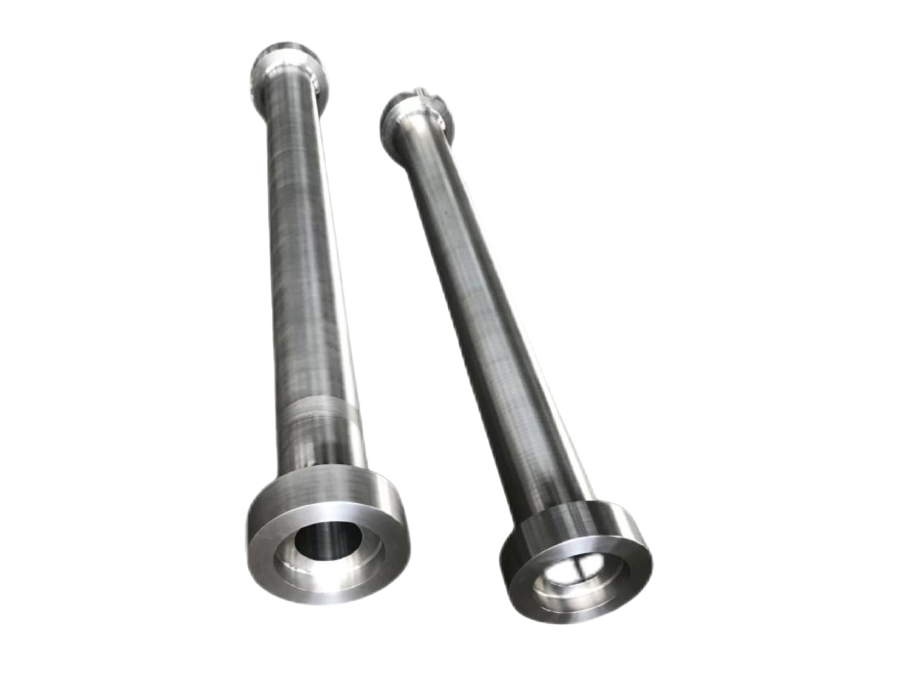
Alloy 718 is a high-performance nickel-chromium superalloy renowned for its exceptional strength, oxidation resistance, and versatility. The forging of Alloy 718 allows engineers to create components that can withstand extreme conditions, making it a vital material in various sectors, including aerospace, defense, and oil and gas. This article delves deep into the characteristics, manufacturing processes, and applications of Alloy 718 forgings, illustrating its transformative impact on modern engineering.
2. Properties of Alloy 718
Alloy 718 is characterized by its unique composition, which includes nickel, chromium, iron, molybdenum, and niobium. These elements contribute to several critical properties:
2.1 High Strength and Durability
The mechanical strength of Alloy 718 is notable, particularly at elevated temperatures. Its ability to retain strength under stress makes it ideal for high-performance applications.
2.2 Corrosion and Oxidation Resistance
The alloy exhibits excellent resistance to corrosion and oxidation, which is crucial for components exposed to harsh environments. This property extends the lifespan of forgings manufactured from Alloy 718.
2.3 Weldability
Alloy 718 is designed for ease of welding, allowing for versatile fabrication methods. This feature is especially beneficial in complex assemblies where traditional methods may fail.
3. The Manufacturing Process of Alloy 718 Forgings
The production of Alloy 718 forgings involves several stages, each critical to ensuring the integrity and performance of the final product.
3.1 Melting and Alloying
The manufacturing process begins with the melting of raw materials, followed by precise alloying to obtain the desired composition. This step is vital to achieving the unique properties associated with Alloy 718.
3.2 Forging Techniques
Various forging techniques can be applied, including open die and closed die forging. Each technique offers distinct advantages, impacting the material properties and dimensional accuracy of the final product.
3.3 Heat Treatment
Post-forging, Alloy 718 undergoes a specific heat treatment process designed to enhance its mechanical properties further. This step typically involves aging the material, which optimizes its strength and toughness.
4. Applications of Alloy 718 in Various Industries
The versatility of Alloy 718 makes it suitable for a broad range of applications across multiple industries.
4.1 Aerospace Industry
In aerospace manufacturing, Alloy 718 is used for components like turbine blades and engine parts due to its ability to withstand high temperatures and stress.
4.2 Oil and Gas Sector
The oil and gas industry utilizes Alloy 718 for components that require superior strength and corrosion resistance, such as valves, pumps, and piping systems.
4.3 Defense Applications
Defense contractors favor Alloy 718 for its reliability in critical applications, including missile components and airframe structures, where performance under pressure is non-negotiable.
5. Advantages of Using Alloy 718 Forgings
Utilizing Alloy 718 forgings offers several advantages that benefit manufacturers and end-users alike.
5.1 Cost-Effectiveness
Despite being a high-performance material, the durability and longevity of Alloy 718 components often lead to lower lifecycle costs, making it an economically viable choice.
5.2 Versatility
The adaptability of Alloy 718 allows it to be tailored to specific applications, enhancing its utility across various industries.
5.3 Improved Performance Metrics
Components made from Alloy 718 typically demonstrate superior performance metrics, such as reduced weight without sacrificing strength, leading to enhanced efficiency in applications.
6. Challenges in Working with Alloy 718
While Alloy 718 presents many advantages, there are challenges associated with its use.
6.1 Processing Difficulties
The high strength of Alloy 718 can make machining and processing more challenging compared to less robust materials, requiring specialized equipment and techniques.
6.2 Cost of Raw Materials
The raw materials used in Alloy 718 are relatively expensive, which can impact production costs, particularly for large-scale manufacturing.
7. The Future of Alloy 718 Forgings in Technology
As technology evolves, the future of Alloy 718 looks promising. Innovations in manufacturing processes, such as additive manufacturing and advanced machining techniques, are expected to enhance the efficiency and capabilities of Alloy 718 forgings.
7.1 Research and Development
Ongoing research in metallurgy is likely to yield new formulations of Alloy 718 that could further improve its properties, creating even more opportunities for its application across various sectors.
7.2 Sustainability Efforts
With the increasing emphasis on sustainability, there is a drive to develop recycling methods for superalloys like Alloy 718, reducing waste and environmental impact.
8. Frequently Asked Questions (FAQs)
8.1 What is Alloy 718 used for?
Alloy 718 is commonly used in aerospace, oil and gas, and defense industries for critical components that require high strength and corrosion resistance.
8.2 How does Alloy 718 compare to other superalloys?
Alloy 718 offers excellent high-temperature stability and corrosion resistance, often outperforming other superalloys in specific applications.
8.3 Can Alloy 718 be welded?
Yes, Alloy 718 is designed for ease of welding, making it versatile for various manufacturing processes.
8.4 What are the challenges of machining Alloy 718?
Machining Alloy 718 can be challenging due to its high strength, which requires specialized tools and techniques to achieve precise dimensions.
8.5 What advancements are being made in Alloy 718 forgings?
Advancements in additive manufacturing and metallurgy are expected to enhance the performance and sustainability of Alloy 718 forgings in the coming years.
9. Conclusion
Alloy 718 forgings represent a significant advancement in manufacturing technology, providing unparalleled strength, durability, and versatility. Its applications across industries like aerospace, oil and gas, and defense underscore its importance in modern engineering. As we look to the future, continued advancements in material science and manufacturing techniques promise to unlock even greater potential for Alloy 718, solidifying its position as a cornerstone of high-performance engineering solutions.
alloy 718 forgings
Related News

The Art and Precision of Forging: Unlocking the Benefits of Precision Forging
2025-06-20
Precision forging is a sophisticated manufacturing process that significantly enhances the mechanical properties and dimensional accuracy of metal components. This technique involves shaping metal into desired forms through the application of high pressure, often at elevated temperatures. Unlike traditional forging methods, precision forging utilizes advanced technology and precise control mechani
Understanding Precision Forging: Key Insights for Professionals in Metalworking
2025-06-18
Precision forging is a sophisticated manufacturing process that involves shaping metal components through the application of controlled pressure and heat. This technique is distinguished by its ability to create parts with exceptional accuracy, consistency, and strength, making it a preferred choice in industries where precision is paramount. One of the primary advantages of precision forging is i
How Monel K500 Forging Enhances Corrosion Resistance in Metal Parts
2025-06-17
Introduction to Monel K500: The Corrosion-Resistant Metal Monel K500 is a nickel-copper alloy renowned for its exceptional corrosion resistance, strength, and versatility. It stands out in various industries, including marine, chemical processing, and aerospace, where metal components must endure harsh environments. This article delves into how the forging process of Monel K500 enhances its corr
Nickel-based alloy material production experts
© 2024 Shanghai Fengqu Super Alloy Co., Ltd. All Rights Reserved