

Forging the Future: Exploring the Strength of Inconel Alloys
Release time:
2024-05-31 16:50
---
# Introduction
In the realm of metallurgy and energy production, Inconel alloys have emerged as a powerhouse material with unparalleled strength and durability. This article delves deep into the world of forging, specifically focusing on the remarkable properties of Inconel alloys and their potential to revolutionize various industries.
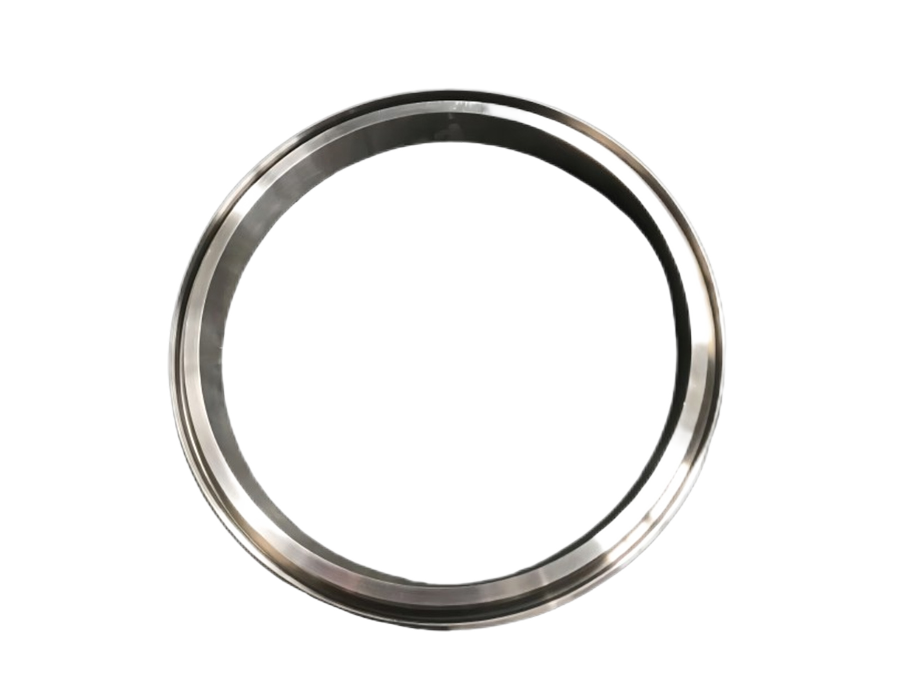
## What are Inconel Alloys?
Inconel alloys are a family of nickel-chromium-based superalloys known for their excellent resistance to high temperatures, corrosion, and oxidation. These alloys are commonly used in extreme environments where other materials would fail, making them a popular choice for aerospace, chemical processing, and oil and gas industries.
### The History of Inconel Alloys
Developed in the mid-20th century by the International Nickel Company (INCO), Inconel alloys quickly gained recognition for their exceptional performance in demanding applications. Over the years, continuous research and innovation have led to the development of new variations of Inconel with enhanced properties and capabilities.
# Forging Techniques for Inconel Alloys
## Hot Forging
One of the most common methods for shaping Inconel alloys is hot forging, a process that involves heating the material to high temperatures to make it malleable. This allows for precise shaping and forming of complex components, ensuring optimal strength and integrity.
### Benefits of Hot Forging
- Improved grain structure
- Enhanced mechanical properties
- Greater resistance to fatigue and stress
## Cold Forging
In contrast to hot forging, cold forging involves shaping Inconel alloys at room temperature or slightly above. This process offers unique advantages, such as increased material strength and improved dimensional accuracy.
### Applications of Cold Forging
- Precision components
- Automotive parts
- Aerospace components
# The Strength of Inconel Alloys
Inconel alloys are renowned for their exceptional strength and toughness, making them ideal for high-stress applications where reliability is paramount. Whether in extreme temperatures or corrosive environments, Inconel alloys excel in maintaining structural integrity and performance.
## Key Properties of Inconel Alloys
- High temperature resistance
- Corrosion resistance
- Excellent mechanical properties
### Applications of Inconel Alloys
- Gas turbines
- Chemical processing equipment
- Nuclear reactors
# Future Prospects for Inconel Alloys
As technology advances and industries evolve, the demand for high-performance materials like Inconel alloys continues to grow. With ongoing research and development, the potential applications of Inconel alloys are expanding, paving the way for innovation and progress in various sectors.
## Emerging Trends in Inconel Alloy Development
- Additive manufacturing
- Nanostructured materials
- Sustainable production methods
# FAQs
## Q: What makes Inconel alloys superior to other materials?
A: Inconel alloys offer a unique combination of high temperature resistance, corrosion resistance, and mechanical strength, making them a top choice for demanding applications.
## Q: Can Inconel alloys be recycled?
A: Yes, Inconel alloys are recyclable, contributing to sustainability efforts in various industries.
## Q: Are there any limitations to using Inconel alloys?
A: While highly versatile, Inconel alloys may be costlier than traditional materials, requiring careful consideration of project requirements.
# Conclusion
Inconel alloys stand at the forefront of material innovation, offering unparalleled strength, durability, and versatility for a wide range of industrial applications. As we continue to explore the potential of these remarkable alloys, the future looks bright for forging and shaping the world of tomorrow. Join us on this journey of discovery and unlock the true potential of Inconel alloys.
Inconel forgings
Related News

The Art and Precision of Forging: Unlocking the Benefits of Precision Forging
2025-06-20
Precision forging is a sophisticated manufacturing process that significantly enhances the mechanical properties and dimensional accuracy of metal components. This technique involves shaping metal into desired forms through the application of high pressure, often at elevated temperatures. Unlike traditional forging methods, precision forging utilizes advanced technology and precise control mechani
Understanding Precision Forging: Key Insights for Professionals in Metalworking
2025-06-18
Precision forging is a sophisticated manufacturing process that involves shaping metal components through the application of controlled pressure and heat. This technique is distinguished by its ability to create parts with exceptional accuracy, consistency, and strength, making it a preferred choice in industries where precision is paramount. One of the primary advantages of precision forging is i
How Monel K500 Forging Enhances Corrosion Resistance in Metal Parts
2025-06-17
Introduction to Monel K500: The Corrosion-Resistant Metal Monel K500 is a nickel-copper alloy renowned for its exceptional corrosion resistance, strength, and versatility. It stands out in various industries, including marine, chemical processing, and aerospace, where metal components must endure harsh environments. This article delves into how the forging process of Monel K500 enhances its corr
Nickel-based alloy material production experts
© 2024 Shanghai Fengqu Super Alloy Co., Ltd. All Rights Reserved