

Forging the Future: Monel Alloy Advancements
Release time:
2024-05-31 16:46
# Introduction
Monel alloys have been a cornerstone of the metallurgy industry for decades, known for their exceptional corrosion resistance and high strength. In recent years, advancements in Monel alloy forging have taken this material to new heights, revolutionizing the way we think about manufacturing and engineering. In this article, we will delve into the latest developments in Monel alloy technology and explore the endless possibilities that lie ahead.
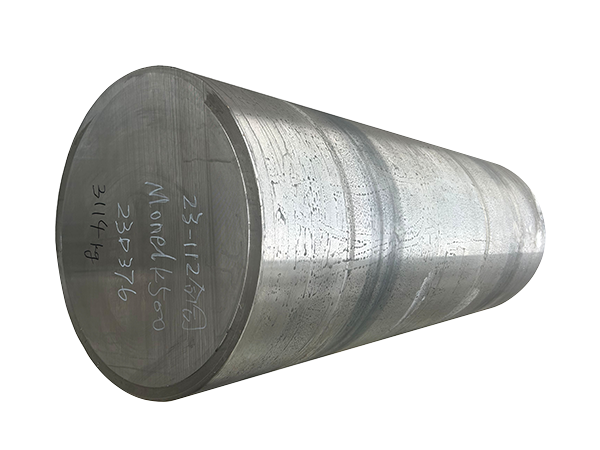
## What is Monel Alloy?
Monel is a group of nickel-copper alloys known for their unique properties, including excellent resistance to corrosion, high strength, and durability. Originally developed by metallurgist Robert Crooks Stanley in the early 20th century, Monel alloys have since become a staple in various industries, including aerospace, marine, and chemical processing.
### The Evolution of Monel Alloy
Over the years, Monel alloy compositions have evolved to meet the changing demands of modern industries. From Monel 400 to Monel K-500, each variant offers specific properties tailored to different applications. The continuous development of Monel alloys has paved the way for groundbreaking innovations in material science and engineering.
#### Applications of Monel Alloys
Monel alloys are widely used in a range of industries, from oil and gas to aerospace and defense. Their exceptional resistance to corrosion makes them ideal for challenging environments where other materials may fail. Monel alloys are commonly used in marine equipment, chemical processing plants, and offshore drilling rigs, among other applications.
##### Advantages of Monel Alloy Forging
One of the most significant advancements in Monel alloy technology is the development of forging techniques that enhance the material's properties and performance. By subjecting Monel alloys to high temperatures and pressures, manufacturers can create forged components with superior strength, fatigue resistance, and overall durability.
###### Future Trends in Monel Alloy Forging
As the demand for high-performance materials continues to grow, the future of Monel alloy forging looks brighter than ever. Innovations in forging technology, such as computer-aided design and simulation, are enabling manufacturers to create complex shapes and structures with unprecedented precision. With ongoing research and development, Monel alloys are poised to play a significant role in shaping the future of metallurgy, mining, and energy industries.
### FAQs
1. What are the key properties of Monel alloys?
Monel alloys are known for their exceptional corrosion resistance, high strength, and durability.
2. What industries commonly use Monel alloys?
Monel alloys are widely used in aerospace, marine, chemical processing, and oil and gas industries.
3. How has Monel alloy forging advanced in recent years?
Advancements in Monel alloy forging have led to improved material properties, including higher strength and fatigue resistance.
4. What are the future trends in Monel alloy technology?
The future of Monel alloy technology is focused on enhancing forging techniques and leveraging advanced manufacturing processes.
5. What are the advantages of using Monel alloys in challenging environments?
Monel alloys offer excellent resistance to corrosion, making them ideal for applications in harsh environments.
# Conclusion
In conclusion, the advancements in Monel alloy forging are paving the way for a new era of innovation in the metallurgy, mining, and energy industries. With their unparalleled properties and performance, Monel alloys are poised to revolutionize the way we approach material science and engineering. As we look towards the future, the possibilities for Monel alloy technology are endless, promising exciting developments that will shape the world of manufacturing for years to come.
Monel alloy forgings
Related News

The Art and Precision of Forging: Unlocking the Benefits of Precision Forging
2025-06-20
Precision forging is a sophisticated manufacturing process that significantly enhances the mechanical properties and dimensional accuracy of metal components. This technique involves shaping metal into desired forms through the application of high pressure, often at elevated temperatures. Unlike traditional forging methods, precision forging utilizes advanced technology and precise control mechani
Understanding Precision Forging: Key Insights for Professionals in Metalworking
2025-06-18
Precision forging is a sophisticated manufacturing process that involves shaping metal components through the application of controlled pressure and heat. This technique is distinguished by its ability to create parts with exceptional accuracy, consistency, and strength, making it a preferred choice in industries where precision is paramount. One of the primary advantages of precision forging is i
How Monel K500 Forging Enhances Corrosion Resistance in Metal Parts
2025-06-17
Introduction to Monel K500: The Corrosion-Resistant Metal Monel K500 is a nickel-copper alloy renowned for its exceptional corrosion resistance, strength, and versatility. It stands out in various industries, including marine, chemical processing, and aerospace, where metal components must endure harsh environments. This article delves into how the forging process of Monel K500 enhances its corr
Nickel-based alloy material production experts
© 2024 Shanghai Fengqu Super Alloy Co., Ltd. All Rights Reserved