

Understanding the Unique Properties of Monel 400 Wire for Builders: A Comprehensive Guide
Release time:
2025-03-20 15:11
Understanding the Unique Properties of Monel 400 Wire for Builders
Table of Contents
- 1. Introduction to Monel 400 Wire
- 2. Chemical Composition of Monel 400
- 3. Unique Properties of Monel 400 Wire
- 4. Applications of Monel 400 Wire in Building Projects
- 5. Advantages of Using Monel 400 Wire for Builders
- 6. Installation Tips for Monel 400 Wire
- 7. Maintenance and Care for Monel 400 Wire
- 8. FAQs about Monel 400 Wire
- 9. Conclusion
1. Introduction to Monel 400 Wire
Monel 400 wire is a highly durable and versatile material widely used in the construction industry. This nickel-copper alloy exhibits remarkable properties that differentiate it from other metal wires. As builders, understanding the unique characteristics of Monel 400 wire can significantly impact the quality and longevity of your projects. This article delves into the composition, distinctive properties, applications, and benefits of Monel 400 wire, offering insights that can enhance your building practices.
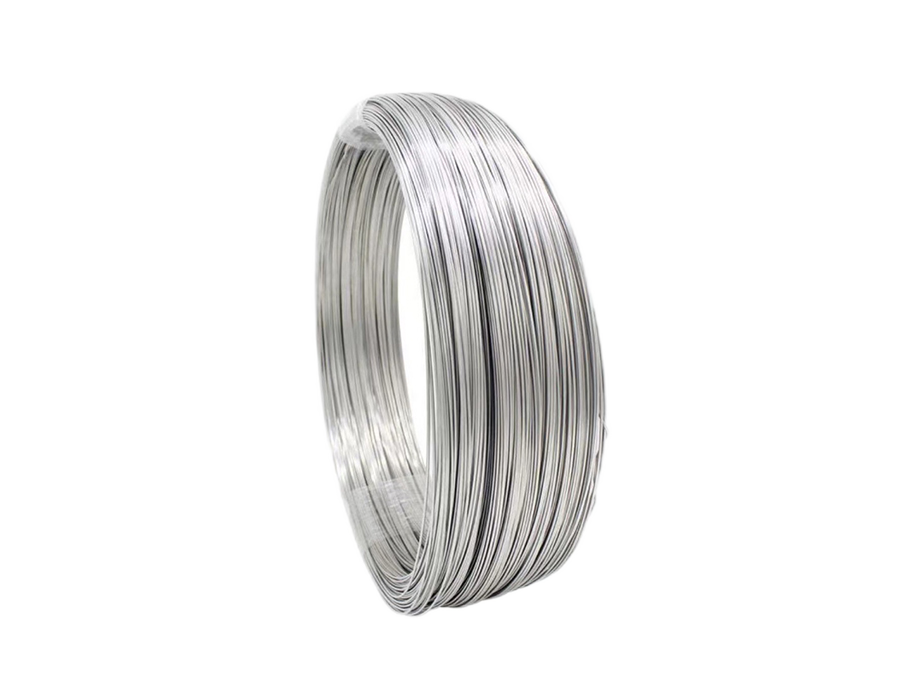
2. Chemical Composition of Monel 400
Monel 400 is primarily composed of about **67% nickel** and **30% copper**, with trace amounts of iron, manganese, carbon, and silicon. This specific blend grants Monel 400 its exceptional corrosion resistance and strength. The alloy’s composition allows it to endure harsh environments, making it an optimal choice for many construction applications.
3. Unique Properties of Monel 400 Wire
When considering Monel 400 wire, several unique properties make it stand out:
3.1 Corrosion Resistance
Monel 400 wire exhibits outstanding resistance to a wide range of corrosive environments, including acids and saltwater. This property makes it invaluable in marine applications and areas exposed to harsh weather conditions.
3.2 High Strength and Toughness
Monel 400 possesses high tensile strength, ensuring that it can withstand significant mechanical stress without deforming. Its toughness further enhances its performance in demanding construction scenarios.
3.3 Thermal Stability
This alloy maintains its mechanical properties even at elevated temperatures, making Monel 400 suitable for high-temperature applications. Builders can rely on its structural integrity in various heat fluctuations.
3.4 Non-Magnetic Properties
Unlike many other metal alloys, Monel 400 is non-magnetic. This characteristic is particularly important in applications where magnetic interference could compromise performance.
3.5 Aesthetic Appeal
The natural finish of Monel 400 wire has a pleasing, silvery appearance, which can enhance the visual appeal of constructions. Its ability to resist tarnish and oxidation ensures that it retains its beauty over time.
4. Applications of Monel 400 Wire in Building Projects
Monel 400 wire's unique properties make it suitable for a variety of applications in the construction sector:
4.1 Marine Construction
Due to its high corrosion resistance, Monel 400 wire is commonly used in marine structures, such as docks, piers, and seawalls, where exposure to saltwater is a significant concern.
4.2 Chemical Processing Facilities
Monel 400 wire is ideal for use in chemical processing plants, where it can endure harsh chemicals without degrading over time. Its resilience ensures long-lasting performance in these environments.
4.3 Oil and Gas Industry
In the oil and gas sectors, Monel 400 wire is utilized for its ability to withstand high pressure and corrosive conditions, making it suitable for pipelines and wellhead equipment.
4.4 Electrical Applications
The non-magnetic properties of Monel 400 wire make it an excellent choice for electrical applications, where interference from magnetic fields could affect performance.
5. Advantages of Using Monel 400 Wire for Builders
Utilizing Monel 400 wire in construction projects offers numerous advantages:
5.1 Longevity
The durability and corrosion resistance of Monel 400 wire contribute to the longevity of structures, reducing the need for frequent repairs or replacements.
5.2 Cost-Effectiveness
While Monel 400 wire may have a higher initial cost compared to other materials, its longevity and low maintenance requirements often lead to cost savings in the long run.
5.3 Versatility
Monel 400 wire can be used in a wide range of applications, making it a versatile material for builders looking to complete various projects.
5.4 Reduced Environmental Impact
The durability of Monel 400 wire minimizes resource consumption associated with repairs and replacements, contributing to a lower environmental footprint.
6. Installation Tips for Monel 400 Wire
To ensure optimal performance, consider the following installation tips for Monel 400 wire:
6.1 Proper Handling
Handle Monel 400 wire with care during installation to prevent physical damage. Avoid bending or kinking the wire excessively.
6.2 Use Compatible Materials
When combining Monel 400 wire with other materials, ensure compatibility to prevent galvanic corrosion. Select materials that will not adversely react with Monel 400.
6.3 Follow Manufacturer Guidelines
Always adhere to the manufacturer's installation guidelines. This practice ensures that the wire is installed correctly, maximizing its performance and longevity.
7. Maintenance and Care for Monel 400 Wire
While Monel 400 wire requires minimal maintenance, following these practices can help ensure its longevity:
7.1 Regular Inspections
Conduct periodic inspections to check for any signs of wear or damage. Early detection can prevent further issues down the line.
7.2 Cleaning
Keep Monel 400 wire clean to maintain its aesthetic appeal. Use a mild detergent and soft cloth to wipe down the wire, avoiding abrasive materials that could scratch its surface.
7.3 Protective Coatings
In certain environments, consider applying protective coatings to enhance corrosion resistance further. Consult with a materials specialist to select the appropriate coating.
8. FAQs about Monel 400 Wire
8.1 What is Monel 400 wire used for?
Monel 400 wire is utilized in various applications, including marine construction, chemical processing, and the oil and gas industry, due to its corrosion resistance and durability.
8.2 How does Monel 400 compare to stainless steel?
While stainless steel is also corrosion-resistant, Monel 400 exhibits superior resistance to certain corrosive environments, particularly in marine applications, and has better high-temperature stability.
8.3 Can Monel 400 wire be welded?
Yes, Monel 400 wire can be welded using appropriate techniques. It's essential to follow specific guidelines to ensure a strong weld joint.
8.4 Is Monel 400 wire magnetic?
No, Monel 400 wire is non-magnetic, making it suitable for applications where magnetic interference is a concern.
8.5 What are the temperature limits for Monel 400 wire?
Monel 400 wire maintains its mechanical properties up to about 1000°F (537°C), making it suitable for high-temperature environments.
9. Conclusion
Monel 400 wire stands out as a premier choice for builders seeking a durable, versatile, and corrosion-resistant material. Its unique properties, including high strength, thermal stability, and aesthetic appeal, make it ideal for various construction applications. By understanding and utilizing Monel 400 wire effectively, builders can enhance the quality and longevity of their projects, making it a worthwhile investment in both performance and cost-efficiency. Embracing this exceptional material will not only ensure structural integrity but also contribute positively to the overall success of building endeavors.
monel 400 wire
Related News

The Art and Precision of Forging: Unlocking the Benefits of Precision Forging
2025-06-20
Precision forging is a sophisticated manufacturing process that significantly enhances the mechanical properties and dimensional accuracy of metal components. This technique involves shaping metal into desired forms through the application of high pressure, often at elevated temperatures. Unlike traditional forging methods, precision forging utilizes advanced technology and precise control mechani
Understanding Precision Forging: Key Insights for Professionals in Metalworking
2025-06-18
Precision forging is a sophisticated manufacturing process that involves shaping metal components through the application of controlled pressure and heat. This technique is distinguished by its ability to create parts with exceptional accuracy, consistency, and strength, making it a preferred choice in industries where precision is paramount. One of the primary advantages of precision forging is i
How Monel K500 Forging Enhances Corrosion Resistance in Metal Parts
2025-06-17
Introduction to Monel K500: The Corrosion-Resistant Metal Monel K500 is a nickel-copper alloy renowned for its exceptional corrosion resistance, strength, and versatility. It stands out in various industries, including marine, chemical processing, and aerospace, where metal components must endure harsh environments. This article delves into how the forging process of Monel K500 enhances its corr
Nickel-based alloy material production experts
© 2024 Shanghai Fengqu Super Alloy Co., Ltd. All Rights Reserved