

Nickel Alloy Wire: Revolutionizing the Way We Build and Design
Release time:
2025-03-20 15:06
Nickel Alloy Wire: Revolutionizing the Way We Build and Design
Table of Contents
- 1. Introduction to Nickel Alloy Wire
- 2. What Are Nickel Alloys?
- 3. Key Properties and Benefits of Nickel Alloy Wire
- 4. Applications of Nickel Alloy Wire in Construction and Design
- 5. The Manufacturing Process of Nickel Alloy Wire
- 6. Sustainability and Nickel Alloys
- 7. Future Trends in Nickel Alloy Wire
- 8. Conclusion
- 9. Frequently Asked Questions (FAQs)
1. Introduction to Nickel Alloy Wire
Nickel alloy wire has emerged as a critical material in the construction and design industries, influencing how structures are built and how designs are conceptualized. With its unique characteristics, nickel alloy wire enhances durability, functionality, and aesthetics, making it an ideal choice for various applications. As we delve into the world of nickel alloy wire, we will uncover what makes this material so revolutionary.
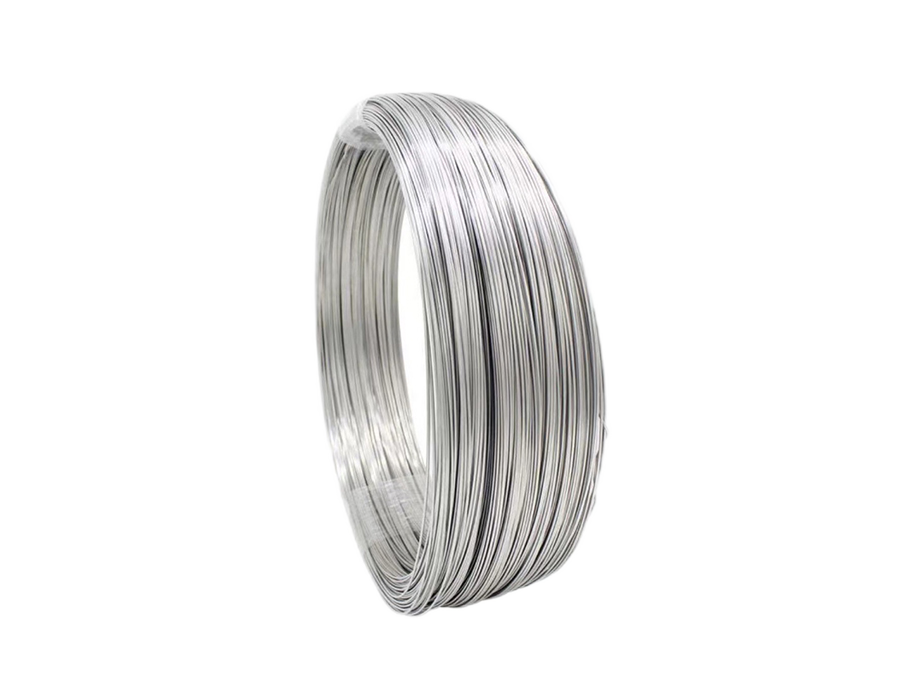
2. What Are Nickel Alloys?
Nickel alloys are metallic materials made predominantly from nickel, combined with other elements such as chromium, molybdenum, iron, and copper. These alloys are engineered to exhibit enhanced properties compared to pure nickel. The versatility of nickel alloys allows for customization based on specific performance requirements, making them invaluable in various industries, including aerospace, automotive, and, of course, construction.
3. Key Properties and Benefits of Nickel Alloy Wire
Understanding the properties of nickel alloy wire is essential for appreciating its application in construction and design. Below, we explore several key characteristics that set nickel alloy wire apart from other materials.
3.1 Corrosion Resistance
One of the most significant advantages of nickel alloy wire is its **corrosion resistance**. This property is essential for applications exposed to harsh environments, such as marine or chemical settings. Nickel alloy wire can withstand oxidation and pitting, ensuring long-term reliability and reducing maintenance costs.
3.2 High-Temperature Resistance
Nickel alloys are known for their **high-temperature resistance**, making them suitable for applications where extreme heat is a factor. This property is crucial in industries such as aerospace and power generation, where materials face elevated temperatures without compromising structural integrity.
3.3 Mechanical Strength
Nickel alloy wire offers exceptional **mechanical strength**, providing the durability needed for various construction projects. This strength is vital for load-bearing applications and ensures that structures can withstand environmental stresses without failure.
4. Applications of Nickel Alloy Wire in Construction and Design
The versatility of nickel alloy wire allows it to be utilized in a wide array of applications. Here, we explore its significant roles in both construction and design.
4.1 Construction Applications
In the construction sector, nickel alloy wire is used for reinforcing materials, such as concrete and other structural components. Its corrosion resistance ensures longevity in infrastructure, particularly in bridges and high-rise buildings. Additionally, it is utilized in electrical wiring, where its excellent conductivity and durability are crucial.
4.2 Design Applications
On the design front, nickel alloy wire provides aesthetic options for architects and designers. It can be crafted into intricate shapes, offering both functionality and beauty. From decorative elements in facades to bespoke furniture pieces, nickel alloy wire has become a favored material for innovative design solutions.
5. The Manufacturing Process of Nickel Alloy Wire
The manufacturing of nickel alloy wire involves several steps, from alloy creation to wire drawing. The process begins with melting the raw materials, which are then mixed in precise ratios to achieve desired properties. After alloy production, the material is cooled and processed into wire through a series of drawing operations, producing various diameters suitable for different applications. Quality control measures throughout the manufacturing process ensure that the wire meets industry standards and specifications.
6. Sustainability and Nickel Alloys
Sustainability is an increasingly important factor in construction and design. Nickel alloys are recyclable, making them an eco-friendly choice for environmentally conscious projects. The longevity and durability of nickel alloy wire also contribute to reducing waste, as structures built with this material require less frequent replacement and maintenance.
7. Future Trends in Nickel Alloy Wire
As technology continues to advance, the potential applications for nickel alloy wire are expanding. Innovations in manufacturing techniques, such as additive manufacturing, are paving the way for even more complex designs. Additionally, the demand for lightweight, high-strength materials is driving research into new alloy compositions, further revolutionizing how we build and design.
8. Conclusion
Nickel alloy wire stands at the forefront of materials innovation, significantly influencing the construction and design industries. Its unique properties—corrosion resistance, high-temperature tolerance, and mechanical strength—make it an indispensable choice for modern applications. As sustainability becomes a focal point in development, nickel alloy wire's recyclability and durability will only increase its appeal. Embracing this revolutionary material opens up new possibilities for architects and builders, ensuring that we can create structures that are not only functional but also environmentally responsible.
9. Frequently Asked Questions (FAQs)
What is nickel alloy wire used for?
Nickel alloy wire is used in various applications, including construction, electrical wiring, and decorative design elements, due to its durability and aesthetic flexibility.
How does nickel alloy wire resist corrosion?
Nickel alloy wire contains chromium and other elements that form a protective oxide layer, preventing oxidation and pitting in corrosive environments.
Can nickel alloy wire withstand high temperatures?
Yes, nickel alloy wire is designed to withstand high temperatures, making it ideal for applications in industries such as aerospace and power generation.
Is nickel alloy wire recyclable?
Yes, nickel alloy wire is recyclable, contributing to sustainability efforts in construction and design.
What are the benefits of using nickel alloy wire in construction?
The benefits of using nickel alloy wire in construction include enhanced corrosion resistance, high mechanical strength, and improved longevity, which reduce maintenance costs over time.
nickel alloy wire
Related News

The Art and Precision of Forging: Unlocking the Benefits of Precision Forging
2025-06-20
Precision forging is a sophisticated manufacturing process that significantly enhances the mechanical properties and dimensional accuracy of metal components. This technique involves shaping metal into desired forms through the application of high pressure, often at elevated temperatures. Unlike traditional forging methods, precision forging utilizes advanced technology and precise control mechani
Understanding Precision Forging: Key Insights for Professionals in Metalworking
2025-06-18
Precision forging is a sophisticated manufacturing process that involves shaping metal components through the application of controlled pressure and heat. This technique is distinguished by its ability to create parts with exceptional accuracy, consistency, and strength, making it a preferred choice in industries where precision is paramount. One of the primary advantages of precision forging is i
How Monel K500 Forging Enhances Corrosion Resistance in Metal Parts
2025-06-17
Introduction to Monel K500: The Corrosion-Resistant Metal Monel K500 is a nickel-copper alloy renowned for its exceptional corrosion resistance, strength, and versatility. It stands out in various industries, including marine, chemical processing, and aerospace, where metal components must endure harsh environments. This article delves into how the forging process of Monel K500 enhances its corr
Nickel-based alloy material production experts
© 2024 Shanghai Fengqu Super Alloy Co., Ltd. All Rights Reserved