

Monel 400 Wire vs. Other Metals: Which is Better for Construction?
Release time:
2025-03-20 15:08
Monel 400 Wire vs. Other Metals: Which is Better for Construction?
When it comes to construction materials, choosing the right wire can significantly impact the durability, safety, and overall performance of a project. Among the various options available, Monel 400 wire has emerged as a leading choice due to its unique properties. In this article, we will compare Monel 400 wire to other common metals used in construction, examining their strengths, weaknesses, and best applications. Our in-depth analysis will help you make an informed decision that meets your specific construction needs.
Table of Contents
- What is Monel 400 Wire?
- Properties of Monel 400 Wire
- Comparison with Other Metals
- Applications of Monel 400 Wire in Construction
- Advantages of Using Monel 400 Wire
- Disadvantages of Monel 400 Wire
- Cost Effectiveness of Monel 400 Wire
- Frequently Asked Questions
- Conclusion
What is Monel 400 Wire?
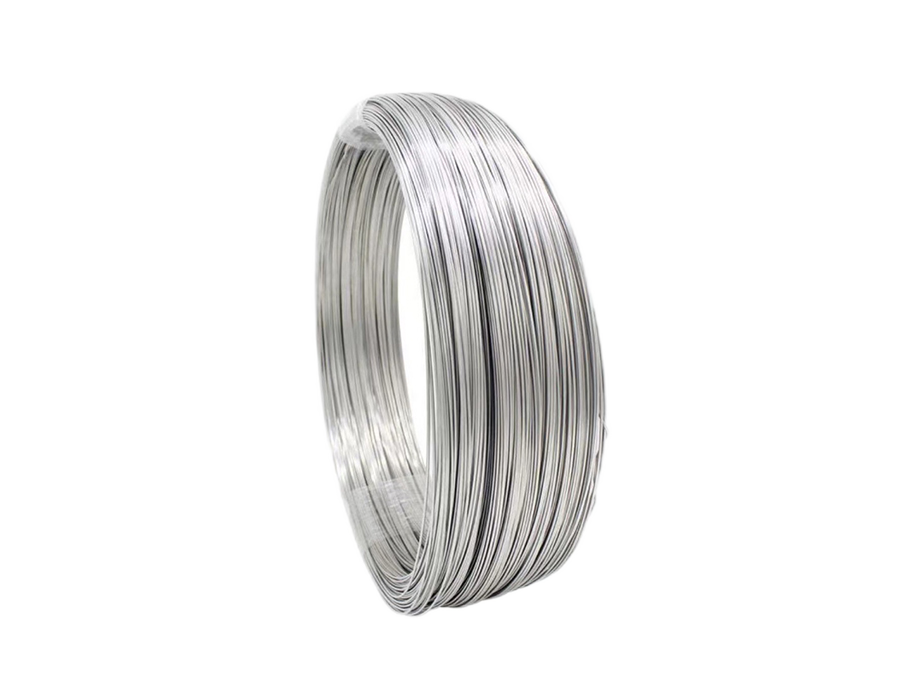
Monel 400 wire is a high-performance alloy made primarily of nickel and copper. Recognized for its exceptional resistance to corrosion and harsh environments, it's an ideal choice for various construction applications. With a composition of approximately 67% nickel, 30% copper, and trace amounts of iron, manganese, carbon, and silicon, Monel 400 boasts remarkable mechanical properties that make it suitable for demanding environments.
Properties of Monel 400 Wire
Understanding the properties of Monel 400 wire allows us to appreciate its advantages over other metals. Here are some key characteristics:
Corrosion Resistance
Monel 400 exhibits outstanding resistance to corrosion in a variety of environments, including seawater, acidic solutions, and alkaline substances. This makes it particularly suitable for marine applications and chemical processing.
Strength and Durability
This alloy maintains high strength and toughness, even in extreme temperatures. It can withstand mechanical stress without losing its structural integrity, making it a reliable option for construction projects.
Thermal Stability
Monel 400 demonstrates excellent stability at elevated temperatures, which is essential for applications involving heat exposure. This property allows it to be used effectively in high-temperature environments.
Weldability and Fabrication
Monel 400 wire is easy to weld and fabricate, which can simplify the construction process. This advantage allows for greater design flexibility and efficiency in building projects.
Comparison with Other Metals
To determine whether Monel 400 wire is the best choice for your construction needs, let’s compare it with other commonly used metals:
Monel 400 Wire vs. Stainless Steel
While stainless steel is widely known for its corrosion resistance, Monel 400 outperforms it in highly corrosive environments, particularly in marine applications. Stainless steel, however, can be more cost-effective for general construction purposes where exposure to harsh elements is minimal.
Monel 400 Wire vs. Copper
Copper is an excellent conductor of electricity and heat but lacks the corrosion resistance that Monel 400 provides. In applications where exposure to moisture and corrosive elements is a concern, Monel 400 would be the superior choice.
Monel 400 Wire vs. Aluminum
Aluminum is lightweight and resistant to corrosion but does not offer the same strength and durability as Monel 400. For structural applications requiring high strength, Monel 400 is preferable.
Applications of Monel 400 Wire in Construction
Monel 400 wire is employed in various construction applications due to its unique properties. Some notable uses include:
Marine Construction
Thanks to its exceptional resistance to seawater corrosion, Monel 400 is often used in marine environments, such as docks, ships, and offshore platforms.
Chemical Processing Facilities
This alloy is ideal for piping, valves, and fittings in chemical plants due to its ability to withstand harsh chemicals.
Electrical Applications
Monel 400 wire is also utilized in electrical applications where conductivity and corrosion resistance are crucial.
Advantages of Using Monel 400 Wire
Choosing Monel 400 wire for construction projects has several benefits:
- Superior Corrosion Resistance: Its ability to resist a wide range of corrosive environments enhances its longevity.
- Strength and Toughness: Monel 400 maintains its strength even in extreme conditions, ensuring structural stability.
- Versatility: It can be used across various industries, from marine to chemical processing.
- Easy Fabrication: The alloy can be easily welded and formed, allowing for complex designs.
Disadvantages of Monel 400 Wire
Despite its many advantages, there are some drawbacks to consider:
- Cost: Monel 400 is typically more expensive than other metals, which may affect budget considerations.
- Availability: In some regions, Monel 400 may not be as readily available as more common metals.
Cost Effectiveness of Monel 400 Wire
While the upfront cost of Monel 400 wire may be higher, its longevity and performance can lead to cost savings over time. The reduced need for replacements and repairs, along with its resistance to corrosion, can offset initial expenditures. Additionally, in applications where failure may result in catastrophic consequences, the investment in Monel 400 wire can be justified.
Frequently Asked Questions
1. What industries commonly use Monel 400 wire?
Monel 400 wire is commonly used in marine, chemical processing, aerospace, and electrical industries due to its corrosion resistance and strength.
2. How does Monel 400 compare to other nickel alloys?
Monel 400 offers excellent corrosion resistance and mechanical properties, making it a preferred choice for applications where these factors are critical.
3. Can Monel 400 wire be recycled?
Yes, Monel 400 wire is recyclable, which adds to its sustainability profile in construction.
4. What is the temperature resistance of Monel 400?
Monel 400 can withstand temperatures up to about 1,000°F (540°C), making it suitable for high-temperature applications.
5. Is Monel 400 wire easy to install?
Yes, Monel 400 wire's ductility and weldability allow for straightforward installation in various applications.
Conclusion
In comparing Monel 400 wire to other metals, it becomes evident that Monel 400 is a superior choice for construction projects where strength, durability, and corrosion resistance are critical. Its unique properties make it suitable for a range of applications, particularly in harsh environments where other metals may fail. While it may come with a higher price tag, the long-term benefits of Monel 400 can justify the investment. When selecting materials for your next construction project, consider Monel 400 wire to ensure reliability and performance. By making informed choices, you can enhance the success and longevity of your construction endeavors.
monel 400 wire
Related News

The Art and Precision of Forging: Unlocking the Benefits of Precision Forging
2025-06-20
Precision forging is a sophisticated manufacturing process that significantly enhances the mechanical properties and dimensional accuracy of metal components. This technique involves shaping metal into desired forms through the application of high pressure, often at elevated temperatures. Unlike traditional forging methods, precision forging utilizes advanced technology and precise control mechani
Understanding Precision Forging: Key Insights for Professionals in Metalworking
2025-06-18
Precision forging is a sophisticated manufacturing process that involves shaping metal components through the application of controlled pressure and heat. This technique is distinguished by its ability to create parts with exceptional accuracy, consistency, and strength, making it a preferred choice in industries where precision is paramount. One of the primary advantages of precision forging is i
How Monel K500 Forging Enhances Corrosion Resistance in Metal Parts
2025-06-17
Introduction to Monel K500: The Corrosion-Resistant Metal Monel K500 is a nickel-copper alloy renowned for its exceptional corrosion resistance, strength, and versatility. It stands out in various industries, including marine, chemical processing, and aerospace, where metal components must endure harsh environments. This article delves into how the forging process of Monel K500 enhances its corr
Nickel-based alloy material production experts
© 2024 Shanghai Fengqu Super Alloy Co., Ltd. All Rights Reserved