

Inconel 625 Flanges: A Comprehensive Overview of Specifications, Benefits, and Applications
Release time:
2025-03-20 15:03
Inconel 625 Flanges: A Comprehensive Overview of Specifications
Table of Contents
1. Introduction to Inconel 625 Flanges
2. Understanding Inconel 625 Material Properties
3. Specifications for Inconel 625 Flanges
3.1 Chemical Composition of Inconel 625
3.2 Mechanical Properties
4. Manufacturing Processes of Inconel 625 Flanges
5. Applications of Inconel 625 Flanges
5.1 Aerospace Industry
5.2 Marine Applications
5.3 Chemical Processing
6. Benefits of Using Inconel 625 Flanges
7. Comparison with Other Materials
8. Frequently Asked Questions (FAQs)
9. Conclusion
1. Introduction to Inconel 625 Flanges
Inconel 625 flanges are renowned for their exceptional strength and corrosion resistance, making them a preferred choice in various high-temperature and high-pressure applications. This comprehensive guide aims to highlight the specifications, benefits, and applications of Inconel 625 flanges, providing valuable insights for engineers, manufacturers, and procurement professionals.
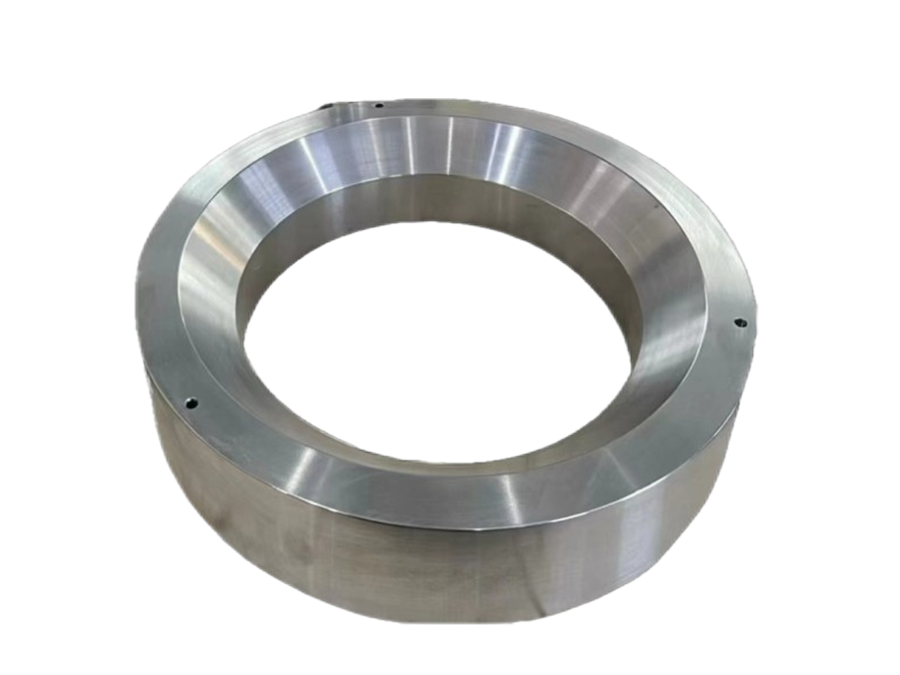
2. Understanding Inconel 625 Material Properties
Inconel 625 is a nickel-chromium-molybdenum alloy that is characterized by its outstanding resistance to oxidation and corrosion in hostile environments. Its unique combination of elements grants it remarkable mechanical properties, ensuring durability and longevity in applications where other materials might fail.
Key Characteristics of Inconel 625
- **High Strength:** Inconel 625 maintains its strength at elevated temperatures, making it suitable for applications both in extreme heat and cold.
- **Corrosion Resistance:** The alloy exhibits excellent resistance to pitting, crevice corrosion, and stress corrosion cracking, which is crucial in chemical and marine environments.
- **Weldability:** Inconel 625 can be easily welded and fabricated, ensuring versatility in manufacturing processes.
3. Specifications for Inconel 625 Flanges
When selecting Inconel 625 flanges, it is essential to consider their specifications, which include chemical composition and mechanical properties.
3.1 Chemical Composition of Inconel 625
The standard chemical composition of Inconel 625 typically includes:
- Nickel (Ni): 58% minimum
- Chromium (Cr): 20-23%
- Molybdenum (Mo): 8-10%
- Iron (Fe): 5% maximum
- Other elements: Tantalum, niobium, and trace elements.
3.2 Mechanical Properties
Inconel 625 flanges exhibit remarkable mechanical properties at room temperature and elevated temperatures. Key mechanical properties include:
- **Tensile Strength:** Typically ranges from 950 to 1,300 MPa.
- **Yield Strength:** Approximately 650 MPa.
- **Elongation:** Minimum of 30% in 50 mm length, indicating excellent ductility.
4. Manufacturing Processes of Inconel 625 Flanges
Manufacturing Inconel 625 flanges involves several specialized processes to ensure precision and quality. These processes include:
- **Forging:** The alloy is heated and shaped into flanges through mechanical deformation.
- **Machining:** Precision machining techniques are employed to achieve the required dimensions and tolerances.
- **Heat Treatment:** Flanges undergo heat treatment to enhance their mechanical properties and ensure stability.
5. Applications of Inconel 625 Flanges
The versatility of Inconel 625 flanges enables their use across various industries. Below are some prominent applications:
5.1 Aerospace Industry
Inconel 625 flanges are extensively used in aerospace applications due to their ability to withstand extreme temperatures and corrosive environments. They are found in jet engines, exhaust systems, and structural components.
5.2 Marine Applications
In marine environments, Inconel 625 flanges are crucial for their resistance to seawater corrosion and high-stress conditions. They are often used in offshore oil drilling rigs and shipbuilding.
5.3 Chemical Processing
In chemical processing plants, Inconel 625 flanges are utilized in piping systems where they encounter corrosive chemicals and high temperatures, ensuring safe and reliable operations.
6. Benefits of Using Inconel 625 Flanges
Adopting Inconel 625 flanges offers numerous advantages, including:
- **Longevity:** Their resistance to wear and corrosion translates to longer service life, reducing the need for frequent replacements.
- **Cost-effectiveness:** Although the initial investment may be higher, the durability and maintenance savings make Inconel 625 flanges a cost-effective choice in the long run.
- **Versatility:** They can be used across various industries due to their adaptability and high performance in different environments.
7. Comparison with Other Materials
Inconel 625 flanges stand out when compared to other materials such as stainless steel and carbon steel. While stainless steel offers decent corrosion resistance, it cannot match the high-temperature performance of Inconel 625. Carbon steel, while cost-effective, lacks the necessary corrosion resistance, particularly in aggressive environments.
8. Frequently Asked Questions (FAQs)
**Q1: What are the typical sizes of Inconel 625 flanges?**
A1: Inconel 625 flanges come in various sizes, typically ranging from 1/2 inch to 24 inches in diameter, depending on the specific application.
**Q2: How do you maintain Inconel 625 flanges?**
A2: Regular inspections for signs of corrosion or wear are essential. Cleaning with mild detergents can help maintain their surface integrity.
**Q3: Are Inconel 625 flanges weldable?**
A3: Yes, Inconel 625 flanges are highly weldable, making them suitable for various fabrication techniques.
**Q4: What industries use Inconel 625 flanges?**
A4: Commonly used in aerospace, marine, chemical processing, and oil and gas industries, among others.
**Q5: Can Inconel 625 flanges be used in high-temperature applications?**
A5: Absolutely, they are designed to withstand high temperatures while maintaining strength and structural integrity.
9. Conclusion
Inconel 625 flanges are an indispensable component in various high-performance applications, offering unparalleled strength, resistance to corrosion, and adaptability. Their specifications and manufacturing processes ensure reliability and longevity, making them an ideal choice for industries that demand superior performance. By understanding the benefits and applications of Inconel 625 flanges, engineers and procurement specialists can make informed decisions that enhance project efficiency and safety.
inconel 625 flanges
Related News

The Art and Precision of Forging: Unlocking the Benefits of Precision Forging
2025-06-20
Precision forging is a sophisticated manufacturing process that significantly enhances the mechanical properties and dimensional accuracy of metal components. This technique involves shaping metal into desired forms through the application of high pressure, often at elevated temperatures. Unlike traditional forging methods, precision forging utilizes advanced technology and precise control mechani
Understanding Precision Forging: Key Insights for Professionals in Metalworking
2025-06-18
Precision forging is a sophisticated manufacturing process that involves shaping metal components through the application of controlled pressure and heat. This technique is distinguished by its ability to create parts with exceptional accuracy, consistency, and strength, making it a preferred choice in industries where precision is paramount. One of the primary advantages of precision forging is i
How Monel K500 Forging Enhances Corrosion Resistance in Metal Parts
2025-06-17
Introduction to Monel K500: The Corrosion-Resistant Metal Monel K500 is a nickel-copper alloy renowned for its exceptional corrosion resistance, strength, and versatility. It stands out in various industries, including marine, chemical processing, and aerospace, where metal components must endure harsh environments. This article delves into how the forging process of Monel K500 enhances its corr
Nickel-based alloy material production experts
© 2024 Shanghai Fengqu Super Alloy Co., Ltd. All Rights Reserved